

What Tri-Free means
A technique using laser design and ultra-fine sutures with the aim of reducing concerns about bleeding, pain and scarring. These risks can still occur and vary by individual.
- Laser sculptingit designs with a laser instead of a knife, sculpting rather than cutting.
- Ultra-fine suturesultra-fine, fast-absorbing sutures are used to reduce foreign-body sensation and scarring response.
- Tailored EGF·LED aftercare included
If you've been wondering about
The range of normal vulvar shapes is wide. We separate a simple difference in shape from everyday, recurring discomfort such as friction, pulling or hygiene.
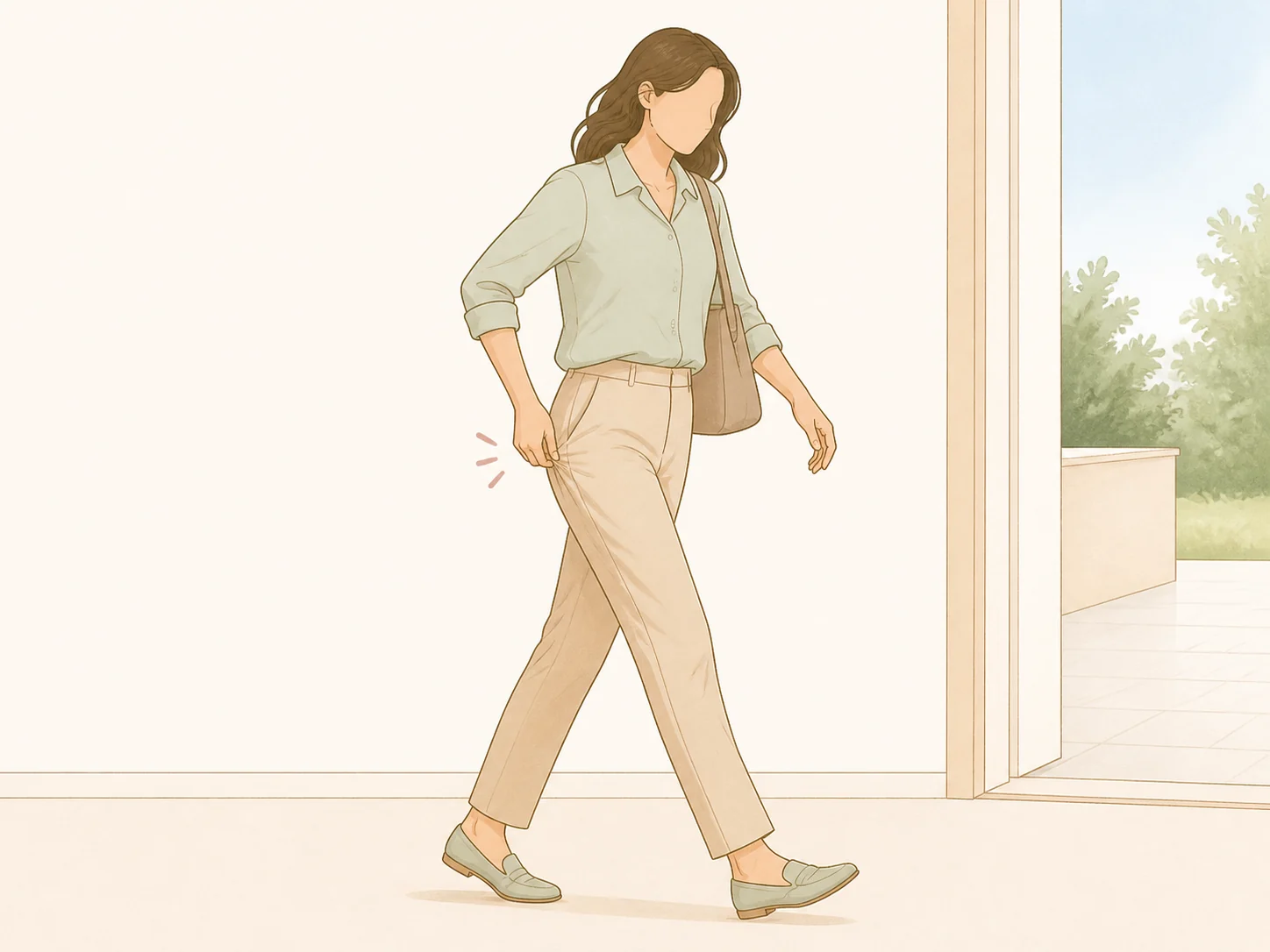
Friction from underwear and clothing
Discomfort can recur where clothing rubs while you walk or move for a long time.
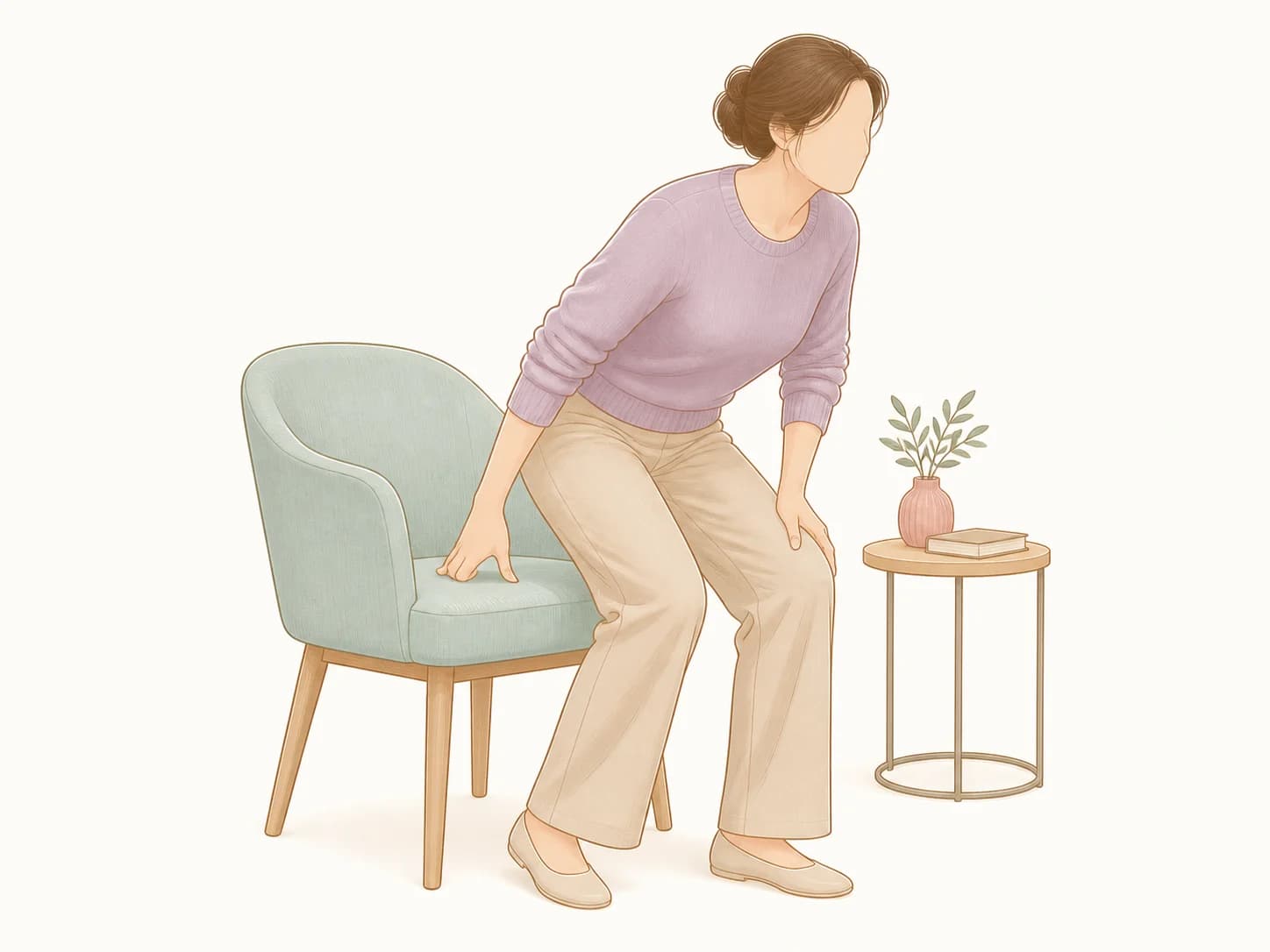
Pulling when sitting or moving
Pulling and discomfort can make you change position or pause an activity.
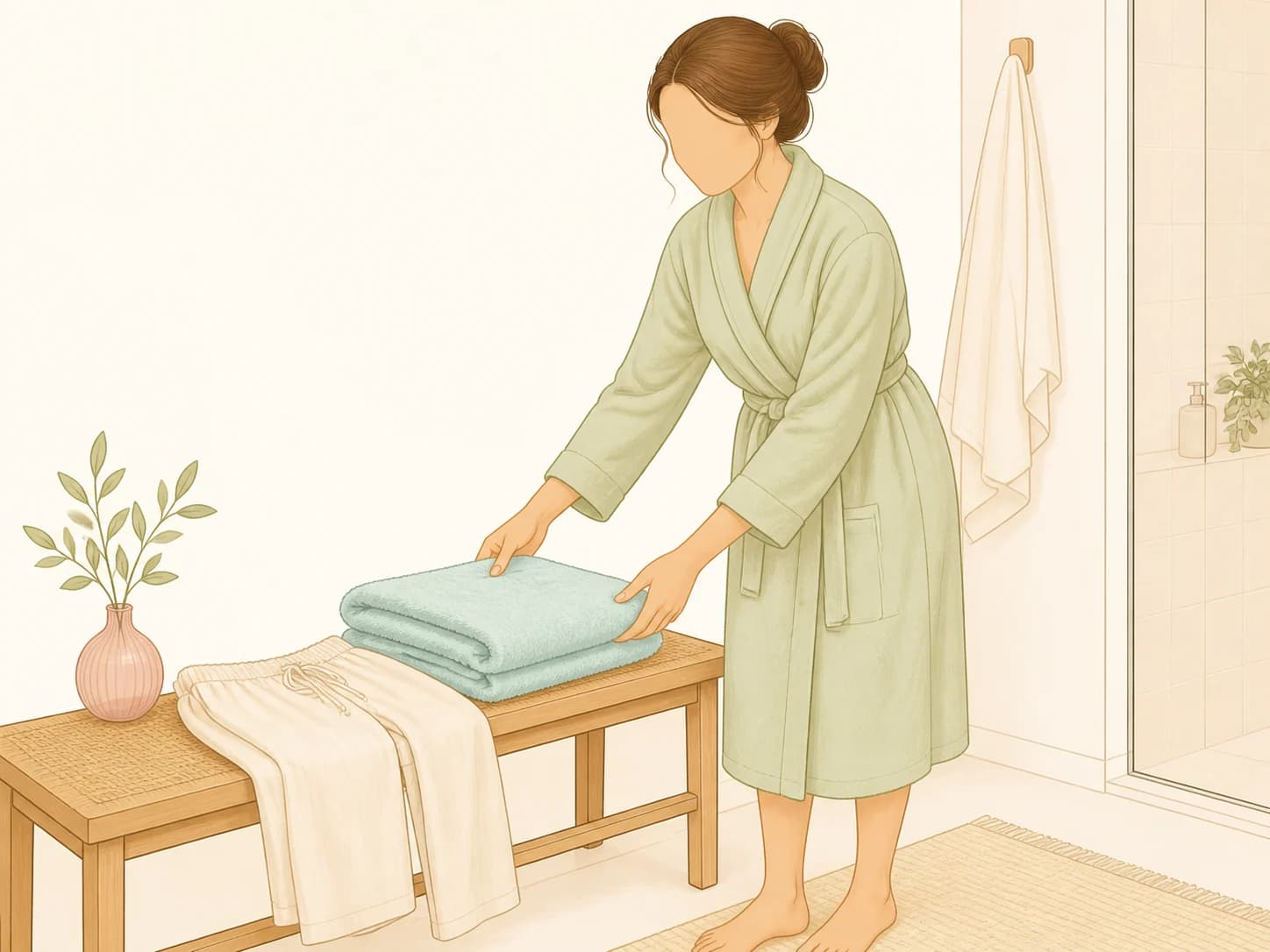
Recurring hygiene discomfort
Hygiene care can still feel cumbersome after a shower.
Stages of labial change
Just as every face is different, the shape of the labia minora varies from person to person and may change over time. Enlargement or asymmetry may develop, followed by wrinkling and darkening; in some cases, these changes may be accompanied by reduced sensation, pain during intercourse, vaginitis or discharge.
Swipe sideways to compare the stages.
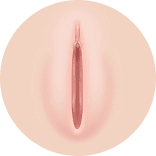 Typical labia minoraSymmetric on both sides
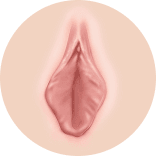 Change · stage 1Enlarged on both sides
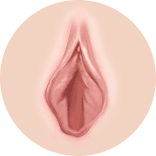 Change · stage 2Complex enlargement
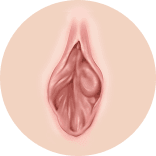 Change · stage 3Complex enlargementFolded labial creases
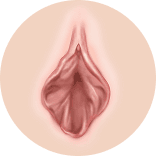 Change · stage 4Complex enlargementFolded labial creasesIncreased thickness
A schematic used to explain the stages of change. Actual shape, size and proportion vary by individual, and a stage does not by itself indicate a need for treatment.
Features of the Tri-Free approach
The surgical plan is decided after examining anatomy, symptoms and the desired scope of change. Consultation covers the surgical method, scarring, possible side effects, recovery and aftercare; it is not a superiority comparison with another technique. Outcomes and recovery vary by individual.
| Consultation point | Tri-Free labiaplasty laser sculpting |
|---|---|
| Surgical method | Tissue condition, asymmetry and the excision and suturing range are reviewed before deciding an individual plan, including whether to use a laser. |
| Scarring | Any incisional surgery can leave a scar. Its extent varies with incision location, skin characteristics and prior scar response, which are reviewed at consultation. |
| Risk of side effects | Bleeding, infection, wound separation, asymmetry, altered sensation or scarring can occur. Contact the clinical team for severe pain, persistent bleeding, heat or foul-smelling discharge. |
| Recovery pace | Recovery timing depends on the surgical extent and wound healing. Return to exercise and intercourse is guided individually after follow-up assessment. |
| Recovery-care review | Aftercare such as EGF, PDRN or LED light may be considered according to wound healing. Use is decided after assessment and does not guarantee recovery speed or outcome. |
Key surgery and recovery information
Surgery time, anesthesia, discharge, showering, exercise and return to sexual activity may vary with the extent of surgery and recovery.
- DurationAbout 30–60 minutesVaries with the extent of surgery.
- AnesthesiaLocal or sedation anesthesia
- DischargeTiming decided after the post-operative condition is checked
- ShoweringLightly from the day after
- ExerciseLight walking is fineStrenuous exercise after about 4 weeks.
- IntercourseAbout 4–6 weeks after surgery
- Suture removalAfter 7–10 days, depending on the individualWith absorbable sutures, separate removal may not be needed.
- Follow-up visitsAbout 2–3 visitsAdjusted according to how healing progresses.
- Final shapeSettles over about 1–3 monthsCounted from once the major swelling has gone down.
The schedule can differ with the extent of surgery and how quickly you personally recover.
Recovery
 Day of surgery
- Please rest well.
- A burning or aching sensation and a small amount of bleeding at the surgical site can occur.
- Take prescribed medication as directed.
- We recommend not driving yourself and going home with a companion.
 1–3 days after
- This is when swelling and discomfort may feel strongest.
- Short walks and light daily activity are fine.
- Please avoid sitting for long periods or crossing your legs.
- Wear loose, breathable clothing rather than tight trousers.
- Most people can manage light work and daily activity.
 1 week after
- Swelling and bruising gradually subside.
- It's still better to avoid long walks, cycling and lower-body workouts.
 2–4 weeks after
- Everyday activity becomes noticeably more comfortable.
- Start light exercise after your recovery has been checked.
- Please use public baths, saunas and pools only after our medical team confirms it.
 4–6 weeks after
- Once the wound has settled, exercise and intercourse can be resumed in stages.
- The timing can differ with the extent of surgery and your recovery, so it needs to be confirmed at your visit.
In general, after labiaplasty it is advised to reduce friction, keep the area clean, and avoid intercourse and strenuous exercise for a period of time. The specific length of that period depends on the surgical method and your recovery.
Please keep these in mind after surgery
- Keep the surgical site cleanafter showering, pat the area dry instead of rubbing. Do not use ointments or antiseptics that were not prescribed.
- Reduce friction and pressureavoid tight clothing such as skinny jeans, leggings or shapewear, and wear loose, breathable clothes.
- Don't sit for long stretchesin the early days, change position and take breaks rather than staying seated in one posture.
- Resume exercise and intercourse only once you've recovered enoughavoid activities that press or rub the area, such as running, cycling, horse riding and lower-body strength training.
- Avoid alcohol and smokingboth can increase swelling or inflammation and slow healing. Contact the clinical team promptly for persistent bleeding, severe pain, fever or heat, foul-smelling discharge, wound separation, asymmetry or altered sensation.
Fast Recovery Project (aftercare)
Cleansing, tailored aftercare and follow-up support recovery
After surgery, keep the area clean and reduce friction at home. Depending on the examination findings,EGFLED light care may be provided at the clinic, with recovery checked at the scheduled visit.
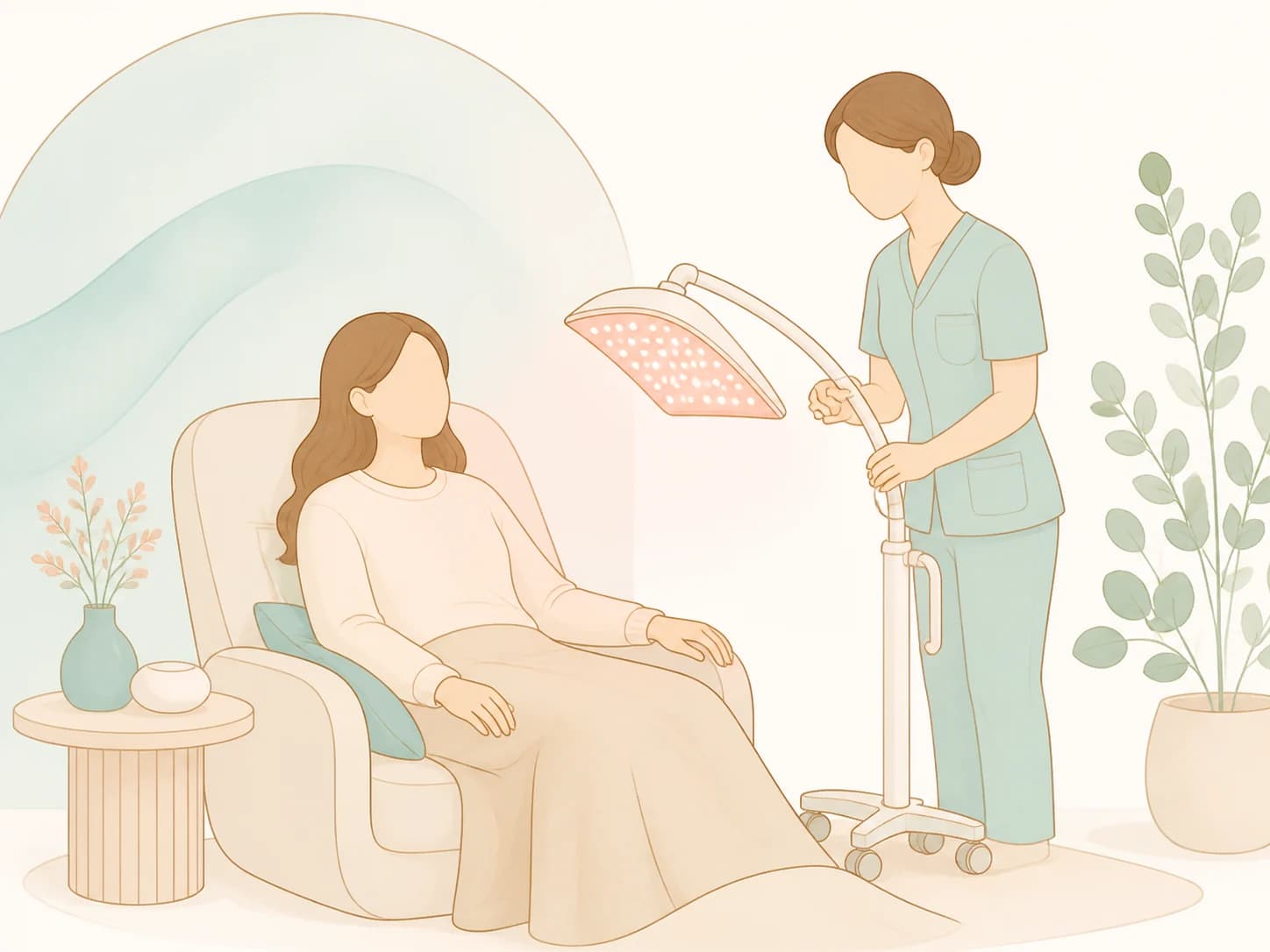
Tailored aftercare
We connect the prescription and LED aftercare you need, based on your examination.
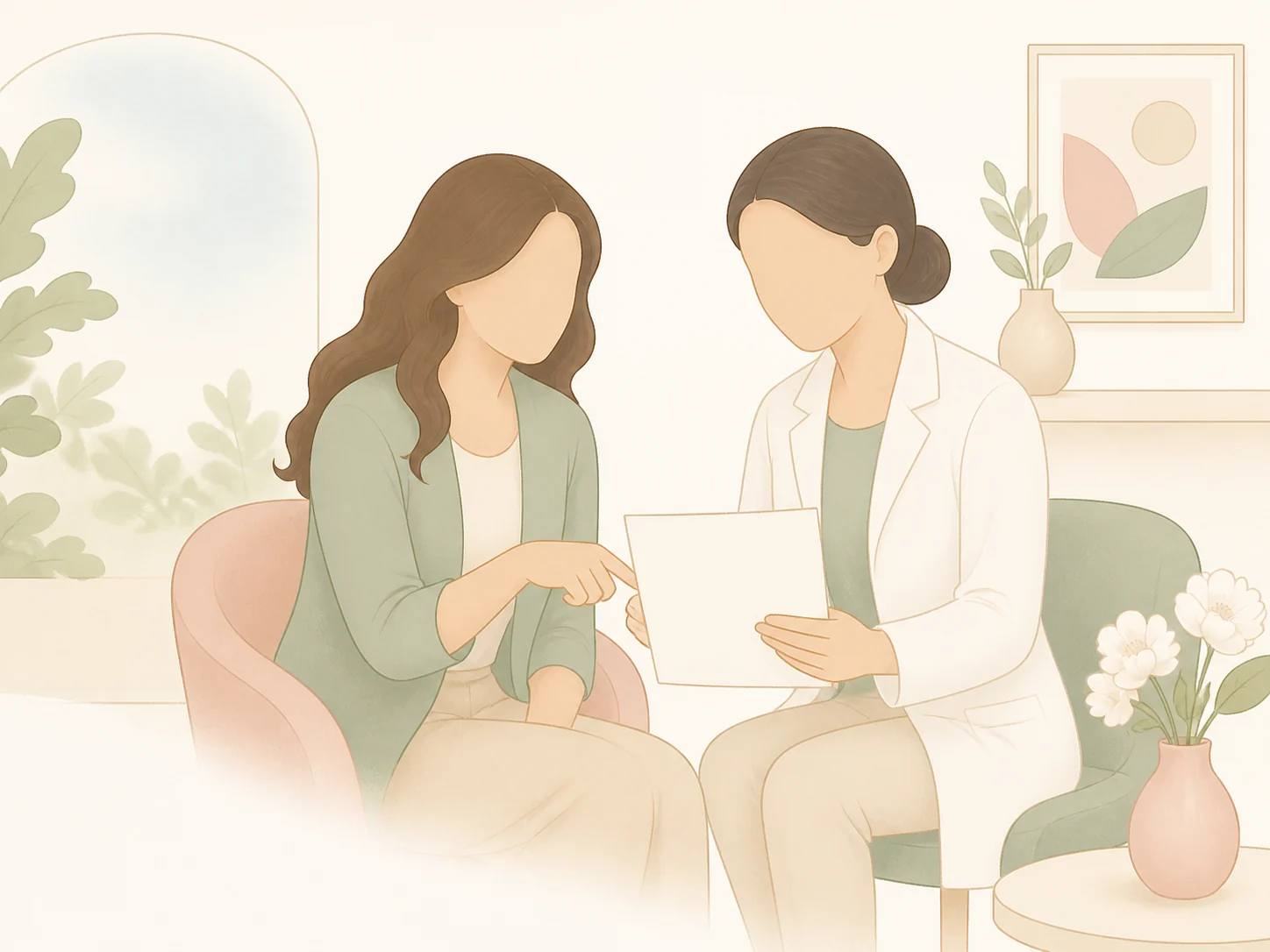
Follow-up
At the scheduled visit we check your recovery and when you can return to activity.
Watch the videos
Results and recovery vary by individual and are not guaranteed. Side effects such as swelling or pain may occur depending on the procedure; details are explained at your visit. All aesthetic procedures are non-covered; whether and how to proceed is decided individually after a specialist consultation.
Frequently asked questions
01How long is recovery after laser labiaplasty?
Recovery varies by individual and the extent of the procedure. In general, light showering is possible from the day after and most people can manage light daily activity and work, with strenuous exercise advised after about 4 weeks and intercourse after about 4–6 weeks. The specific timing depends on the extent of surgery and your recovery, so it needs to be confirmed at your visit.
02Do the sutures have to be removed?
They are removed after 7–10 days depending on the individual, and with absorbable sutures separate removal may not be needed. Which suture material is used is decided after examination and explained at the time of surgery.
03How many follow-up visits are needed?
About 2–3 visits, according to how healing progresses. The final shape settles over about 1–3 months once the major swelling has gone down, and recovery speed varies by individual.
04What should I know before my visit?
It's better to schedule the examination and any procedure outside your period. Please tell us at the consultation about any medication you take or procedures you've had before.